Dunellen General Contractor for Home Improvement and New Construction
Dunellen General Contractor for Home Improvement and New Construction
Blog Article
Why Choosing the Right General Contractor Is Essential for Your Project
Identifying the right general contractor is a fundamental decision that can markedly determine a project's fruition. A suitable contractor guarantees well-organized management and sticking to budgets. Their ability to navigate challenges and maintain distinct messaging is essential. However, many project principals overlook critical factors in this vetting cycle. Appreciating these particulars can advance to better consequences and heightened satisfaction. What should one consider when conducting this important determination?
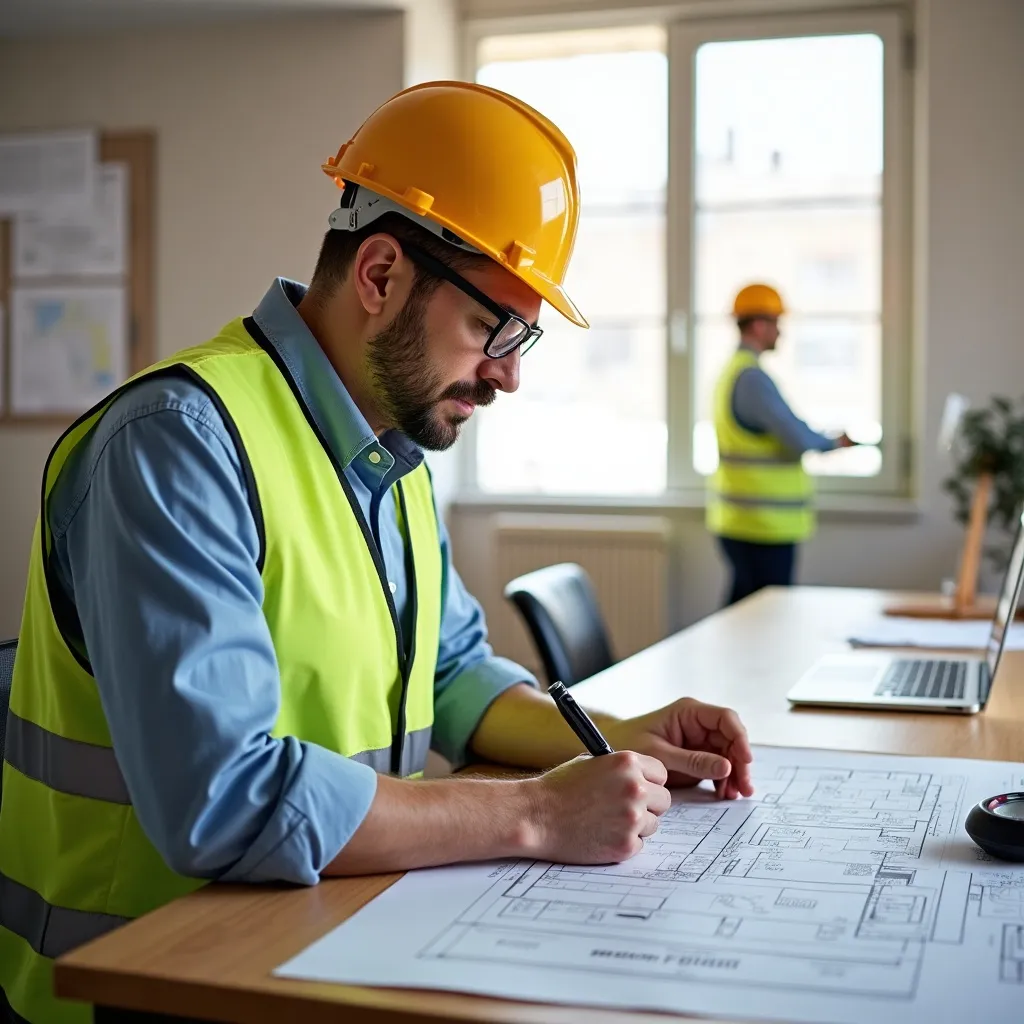
Common Struggles in Hiring a General Contractor
When picking a construction contractor, potential clients often encounter numerous typical difficulties that can complicate the decision-making process. One significant hurdle is the vast quantity of options available, which can result in confusion and indecision. Clients may struggle to differentiate between contractors based on credentials, background, and cost, making it difficult to identify who will best satisfy their construction requirements.
An additional setback is the opaqueness in contractor helpful resource submissions, where hidden costs may surface, impacting the project expenditure. Additionally, clients may face communication-related problems; some contractors may be remiss to keep clients informed across the engagement, inducing discontent. At last, clients often battle verifying a contractor's recommendations and earlier work, which can bring about indecision about the service caliber anticipated. These hindrances call upon careful consideration and research to guarantee the best option is executed.
The Significance of a Reputable General Contractor
A reliable general contractor plays an essential role in ensuring project management productivity and maintaining quality assurance standards. Their expertise helps optimize processes, minimizing delays and costs. Additionally, a dependable contractor upholds high standards, resulting in superior craftsmanship and client contentment.
Boost Initiative Coordination Speed
Efficient project management depends on the trustworthiness of a general contractor. A reliable contractor ensures that timelines are followed, resources are properly allocated, and communication flows smoothly among all stakeholders. Their competence in coordinating subcontractors, suppliers, and laborers directly influences the advancement and final success of the project. A trustworthy contractor minimizes delays and cost overruns This efficiency encourages collaboration, allowing adjustments and improvements as needed. Ultimately, the general contractor's dependability improves both project functions and trust among clients and team members, guaranteeing alignment towards a favorable final outcome.
Quality Assurance Requirements
Reliable general contractors play a pivotal role in maintaining standards of quality assurance throughout a project. They ensure that all work meets established guidelines and industry standards, which is essential for the longevity and safety of the structure. A competent contractor exercises rigorous oversight of materials and workmanship, carrying out regular inspections to detect and fix issues promptly. This proactive approach mitigates risks associated with subpar construction, ultimately protecting the investment. Moreover, a reliable contractor promotes communication among all stakeholders, making certain that expectations are clear and met. By prioritizing quality assurance, a skilled general contractor not only enhances the final product but also establishes trust with clients, setting the foundation for successful project outcomes.
Evaluating a Contractor's Background and Reputation
When selecting a general builder, understanding their background and track record is critical, as these factors significantly impact project outcomes. A contractor's expertise typically reflects their ability to handle various project types, challenges, and difficulties. Examining their body of work provides insight into past work, displaying craftsmanship and meticulousness.
Additionally, credibility serves as a vital factor in creating trust. Prospective clients ought to review online reviews, client feedback, and references to evaluate satisfaction levels from previous clients. Interacting with past customers can show the contractor's reliability, communication skills, and adherence to timelines and budgets.
Moreover, professional associations and certifications can enhance a contractor's authenticity, indicating a commitment to superior work and virtuous practices. By rigorously assessing both experience and prestige, clients can make informed decisions, decisively creating the conditions for a outstanding construction project.
Important Qualities of a Honest Contractor
A trustworthy contractor regularly exhibits integrity, transparency, and strong communication skills. These vital qualities create the foundation of a successful working relationship. Honesty guarantees the contractor conforms to ethical practices, providing truthful assessments and realistic timelines. Openness involves fully disclosing project details, encompassing costs and potential challenges, fostering confidence between the contractor and the customer.
Powerful communication abilities facilitate the contractor to convey ideas efficiently, grasp client requirements, and address any concerns that surface during the project. Additionally, a dependable contractor exhibits flexibility, responding to changes and unexpected circumstances with composure and flexibility. Attention to detail is another crucial trait; it reflects a commitment to quality and accuracy in every aspect of the work. Ultimately, these characteristics not only enhance project outcomes but also contribute to a positive experience for clients, making the appointment of a dependable contractor all the more crucial.
Critical Topics to Ask When Hiring Your General Contractor?
How can a person guarantee they choose the right general contractor for their project? By posing a series of specific questions, potential clients can better assess candidates. First, asking about the contractor's experience with similar projects provides insight into their expertise. It's also vital to request for references; communicating with previous clients can uncover the contractor's dependability and work quality.
Then, reviewing licensing and insurance confirms that the contractor satisfies legal requirements and shields the client from conceivable liabilities. Clients must also question timelines and project management strategies to assess how the contractor plans to execute the project efficiently.
Budget discussions are critical; asking for a comprehensive quote avoids surprise expenses later. Finally, comprehending the contractor's preferred communication style can lay the groundwork for a successful partnership. By addressing these key questions, clients can choose wisely in selecting their general contractor.
The Significance of Communication With Your Contractor
Effective interaction with a contractor is essential for initiative success. Establishing clear standards and sharing timely feedback can avoid misunderstandings that often lead to expensive delays. Additionally, encouraging an receptive exchange establishes trust, guaranteeing a smoother collaboration throughout the building phase.
Explicit Parameters Ensure Success
Creating clear expectations is crucial for a fruitful partnership with a general contractor. Strong communication establishes the basis for understanding the objectives, schedules, and budget limitations of the project. When both parties communicate their needs and concerns, it lowers the risk of misunderstandings that could obstruct progress. A contractor who knows the specific requirements can allocate resources efficiently and address potential challenges in advance. Moreover, clarity in expectations fosters accountability, ensuring that the contractor keeps promises and that the homeowner remains involved throughout the process. By emphasizing open dialogue from the beginning, clients can boost coordination and satisfaction, ultimately leading to a more efficient project completion. Clear expectations not only optimize workflows but also build trust between the homeowner and the contractor.
Prompt Communications Prevent Confusion
Defining clear requirements provides the foundation for collaborative achievement, though ongoing communication is equally critical. Routine communication from a construction professional can prevent miscommunication that may arise in the course of a project. When builders regularly communicate project updates, customers remain informed about project schedules, budget changes, and potential challenges. This forward-thinking communication helps to harmonize each party's goals and reduces the possibility of disputes in the future. Furthermore, when issues develop, prompt communication allows for faster problem-solving, keeping the work on track. By building a climate of transparent communication, contractors express their dedication to the project's success, ultimately producing a smoother workflow and greater client satisfaction. Therefore, prompt communications function as a cornerstone for maintaining clarity and confidence within the construction process.
Frank Exchange Fosters Trust
As a undertaking progresses, keeping an open dialogue with the main contractor becomes essential for building trust and collaboration. Effective communication guarantees that all parties have a solid grasp of requirements, timelines, and potential obstacles. When contractors and customers participate in frequent conversations, it enables for the recognition of issues before they worsen, reducing interruptions. This openness not only creates assurance but also improves the overall construction experience. Furthermore, an open line of communication encourages feedback, allowing the contractor to make modifications that align with the client's vision. In the end, strong communication creates a basis of mutual respect, which is vital for the successful completion of any construction project. Confidence cultivated through communication leads to improved results for everyone involved.
Often Requested Questions
What steps should I take to validate if a Contractor has a valid License?
To determine if a contractor is properly credentialed, one should check local regulatory agencies and online platforms, verify their license number, and ensure it's active. Additionally, reviewing customer feedback can offer understanding of their credibility and reliability.
What Insurance Should My Contractor Obtain?
A contractor should carry all-encompassing liability coverage, worker protection insurance, and, if applicable, professional liability insurance. These mitigate probable injury, workplace injuries, and quality failures, ensuring financial protection for both the contractor and the client.
What's the Best Way to Examine a Construction Professional's References?
To confirm a contractor's references, one should demand a list of past patrons, connect with them directly, and explore their testimonials. Furthermore, investigating online reviews and ratings can present pertinent details into the contractor's dependability.
What Ought I Execute if Issues Surface During the Project?
If issues arise during the project, one should record the difficulties, interact directly with the contractor, and seek a resolution. If needed, involving a third party or obtaining legal counsel may also be advisable.
Are There Warning Signs to Monitor During the Recruitment Process?
Red warning signs during the recruitment phase include unclear pricing, missing credentials, inadequate responsiveness, missing certifications, and unfavorable ratings. These signals point to potential issues that could impact the project's quality and timeline.
Report this page